Reflections: My Experience as a Resident Architect
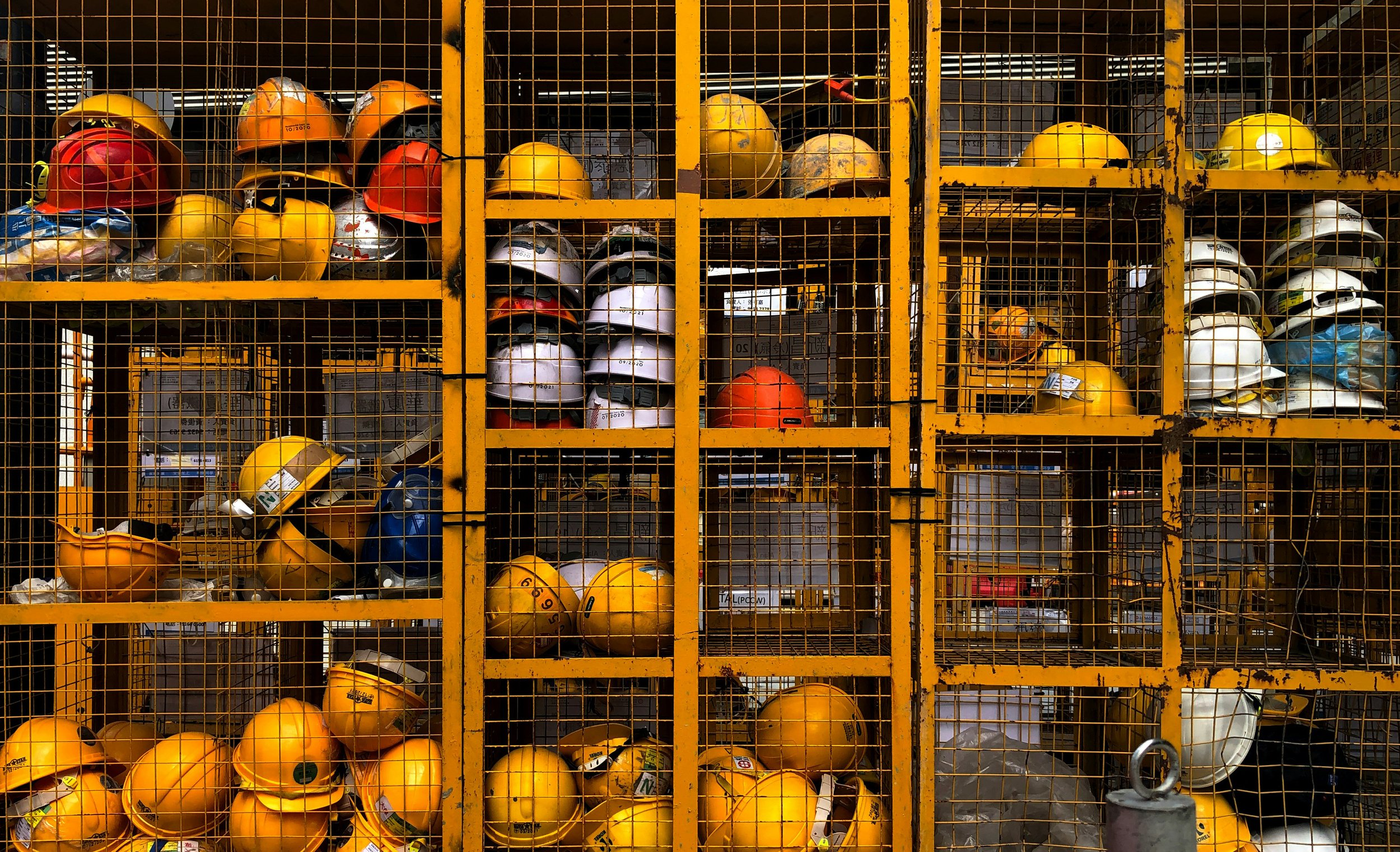
Photo by Pop & Zebra via Unsplasha
Early in my career, I served as a Resident Architect on two significant projects in Hong Kong: the residential development "Oscar by the Sea" (Phase 1) in Tseung Kwan O, and the Li Ka Shing Tower at the Hong Kong Polytechnic University. At the time, with just three to four years of experience, working on-site proved to be both challenging and deeply enriching. This hands-on training gave me a unique understanding of the inner workings of large-scale construction sites—skills that no textbook or office role alone could provide.

Li Ka Shing Tower, Hong Kong Polytechnic University (Photo via polyu.edu.hk)
Working as a Resident Architect exposed me to the realities of construction processes and the coordination required to translate designs on paper into built structures. It was a role that demanded close collaboration with all parties to ensure smooth execution.
In reflecting on the current landscape, however, I have observed a worrying trend: the executional capabilities of contractors—particularly small and medium-sized firms—are declining. Increasingly, contractors' resources are being directed toward administrative tasks and project documentation, leaving limited manpower for design implementation, quality control, and on-site problem-solving.
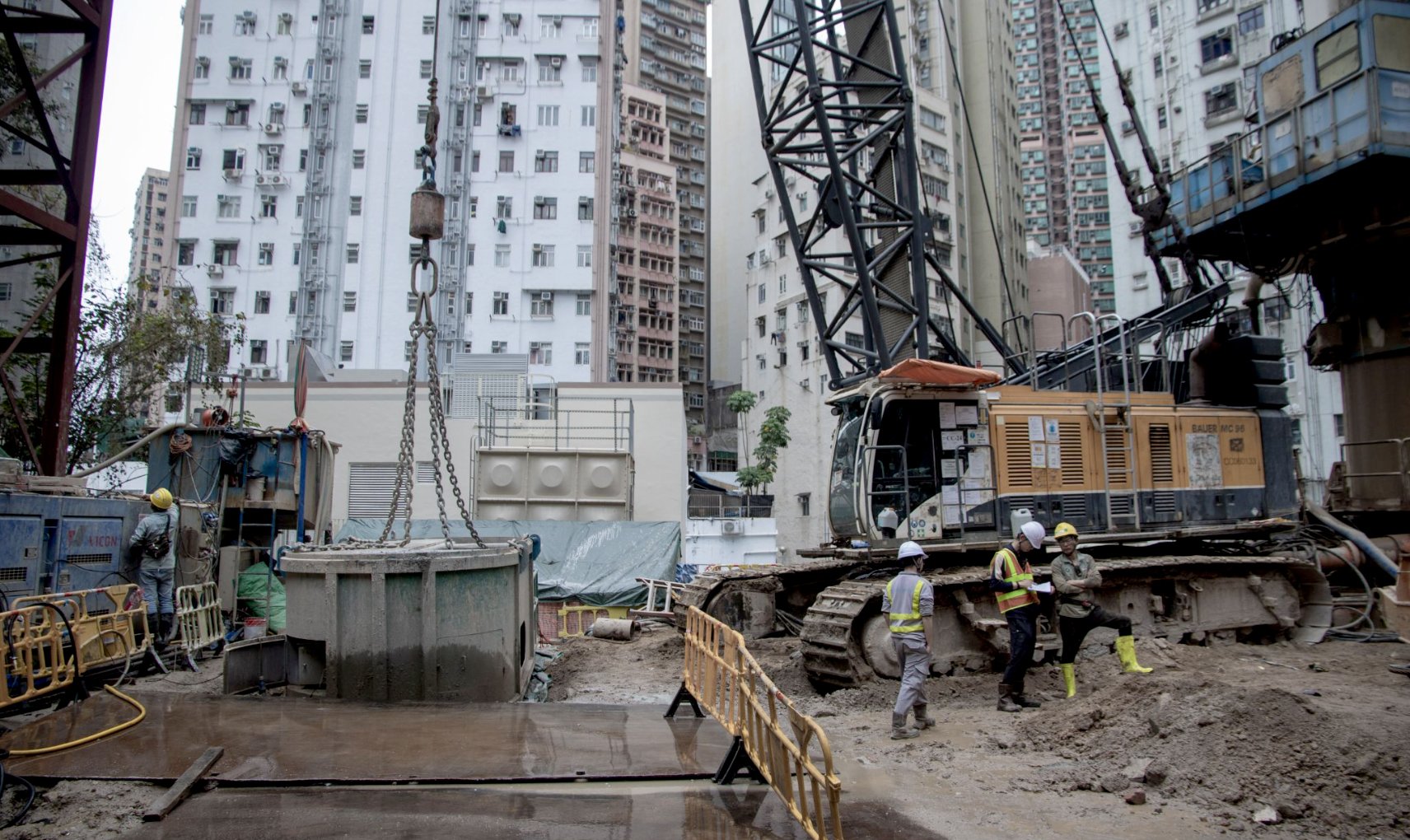
Photo by Armand M via Pexels
To tackle this issue, we should look to the Resident Engineer (RE) system utilized in engineering disciplines. For years, Resident Engineers have been responsible for upholding construction quality and technical standards through dedicated on-site presence and a focus on execution. Having worked in a similar capacity, I firmly believe our industry could benefit from a similar approach.
As workloads for contractors become increasingly skewed toward paperwork, the role of a Resident Architect stands to become invaluable. By advocating for a dedicated Resident Architect system, we can ensure that good design is not lost in translation during execution.
– Thomas
