Beyond Grants: How the Plot Ratio Transfer Scheme Can Help Preserve Hong Kong's Historic Buildings
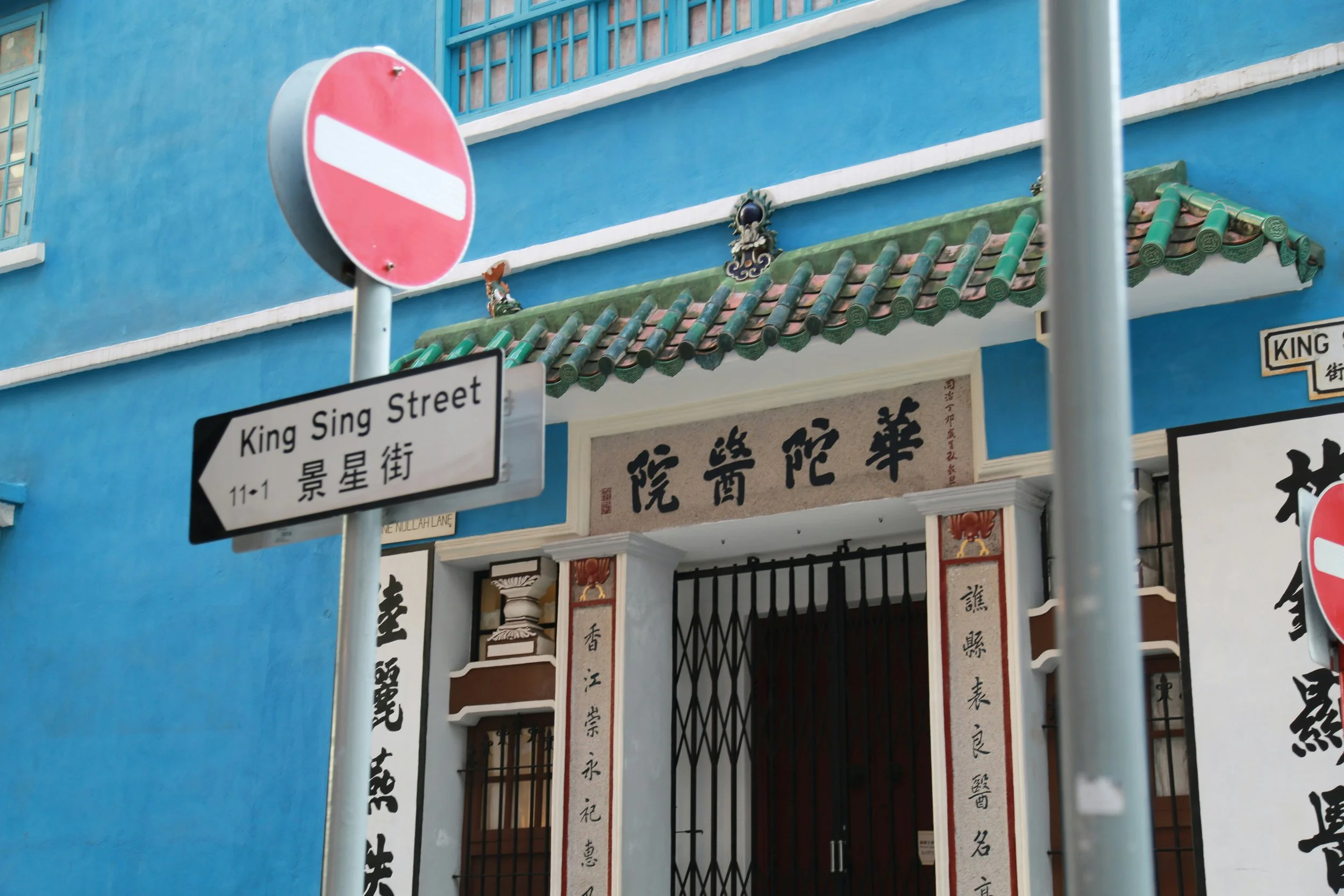
Photo by Alison Pang via Unsplash
According to the Antiquities Advisory Board, as of June 11, 2026, Hong Kong has 177 Grade 1, 340 Grade 2, and 517 Grade 3 historic buildings—totalling 1,444 graded historic buildings and new items. These structures represent an irreplaceable part of our city's cultural identity.
Yet under the current policy framework, the government's support for privately-owned graded historic buildings is limited to the Financial Assistance for Maintenance Scheme on Built Heritage, which provides grants to subsidise maintenance works. Graded historic buildings are not statutorily protected from demolition or alteration. Without stronger incentives, their heritage value remains vulnerable.

Photo by Jason Yuen via Unsplash
Viable Alternative to Demolition
For years, heritage conservation in Hong Kong has faced a fundamental bottleneck: private owners wishing to realise the development potential of their site had no choice but to demolish the existing heritage building. The plot ratio was tied to the land, and using it meant redeveloping on the same site. This left owners with little economic reason to retain the historical structure.
The plot ratio transfer mechanism has been in force for some time, originally introduced as an incentive to accelerate the slow pace of old district redevelopment. The recent enhancement announced—allowing the receiving site to be located in another district—opens up a new possibility which I believe we should actively pursue for heritage conservation.
With cross-district transfers now permitted, the scheme encourages owners of graded historic buildings to retain them in place while transferring the unused development potential to a site elsewhere. It gives owners and developers a viable economic alternative to preserve the existing structure, instead of tearing it down.
This is precisely the kind of forward-thinking policy adjustment our city needs. Heritage conservation should not depend solely on public funding or goodwill, but on practical, market-driven incentives that align private interests with public benefit. By extending the application of the cross-district plot ratio transfer scheme to heritage buildings, we can give graded historic buildings a future beyond the threat of demolition.

Photo by Zoshua Colah via Unsplash
A Role for HKIA
The HKIA should seize this opportunity to engage with the Antiquities and Monuments Office (AMO) and review the existing Antiquities and Monuments Ordinance. There is scope to expand the grading system, examine the current functions and working practices of both the Antiquities Advisory Board (AAB) and the AMO, and ensure these frameworks keep pace with the tools now available—such as the enhanced plot ratio transfer scheme. Architects have a direct stake in how heritage policy shapes the built environment, and we need to be at the table when these discussions take place.
–Thomas
