Ending Fee-Diving: Protecting the Integrity and Future of Architecture in Hong Kong
Professional expertise is being commercialised and compromised. The fee-diving phenomenon must be rectified.
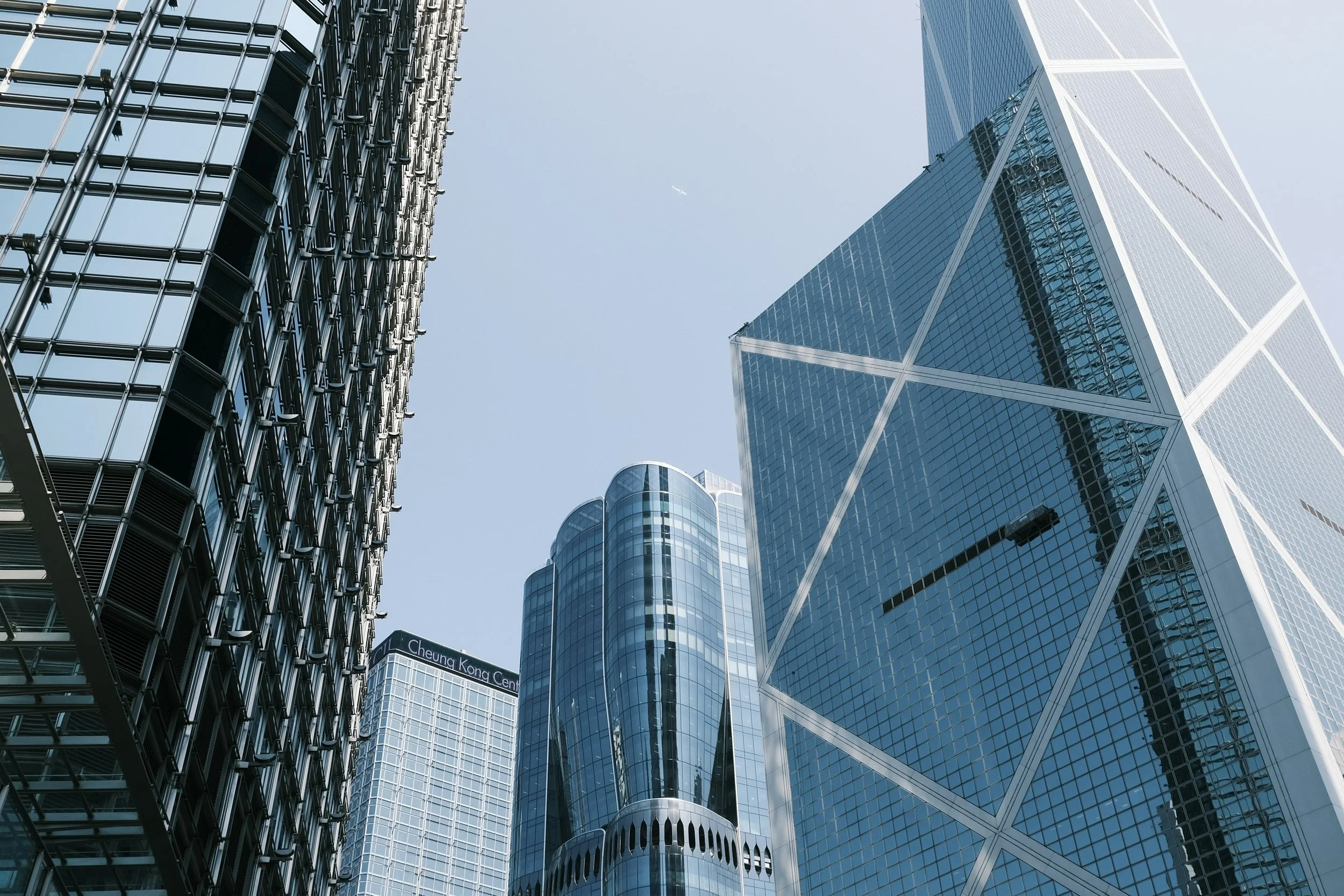
Image by Duong Nguyen via Unsplash
In 2017, HKIA held a special general meeting (SGM) to vote on revising the Agreement & Scale of Charges. This controversial motion aimed to align the standard agreement between architects and clients, to mitigate the risk of breaching the First Conduct Rule under the HK Competition Ordinance (Cap. 619). However, nine years on, we find ourselves grappling with its consequences: architectural services have become commodified, where fees are susceptible to free-market bidding wars, without regard for quality or professional standards.
This fee-diving phenomenon mirrors the classic Prisoner’s Dilemma. Unwarranted price wars may seem like an advantage for individual practices in the short term, but ultimately, everyone—architects, clients, and the public—loses. Lower fees mean compromised service standards, which erodes public trust in our profession.
As architects, our work relies heavily on human judgement and experience. For architecture companies, staff salaries form the largest expense. Each year, inflation drives the expectation of salary increases, yet the uncontrolled undercutting of fees creates an impossible contradiction—one that undermines the financial sustainability of the practices.
We see the same struggle across other professions. The Accounting and Financial Reporting Council (AFRC), in its 31 July 2025 press release, highlighted research showing that when audit fees are set too low, “some auditors may perform fewer procedures, reduce sample sizes, rely on less experienced staff, or forgo the use of specialists. If not properly managed, these choices may compromise the scope and depth of the audit, increasing the risk of non-compliant audits." Unhealthy fee-bidding clearly erodes the quality of professional services, regardless of the industry.
Singapore offers a constructive model for Hong Kong to consider. To counteract fee-diving and stop firms from slashing prices below market rate, a Value Articulation Framework was introduced. It sets clear standards for project timelines, resource planning, scope of works, administrative tasks, and compliance liabilities for architecture firms. This detailed framework establishes a baseline, ensuring firms can uphold service quality without resorting to cutting corners during competitive bidding processes.

Image by Jonathan Chng via Unsplash
A Call for Action
HKIA must act with the same resolve. We should immediately update our standard client agreement with fuller descriptions of Normal Services, as well as the additional services that have become essential in recent years, such as Modular Integrated Construction (MiC), Building Information Modeling (BIM), New Engineering Contracts (NEC), as well as Generative AI. Clearer definitions protect both our members and the quality of what we deliver.
Fee diving is not merely a management issue for individual firms; its ripple effects are felt across the profession. It leads to under-staffed projects, widens the salary gap between private-practice architects and government bodies, reduces the incentive to invest in new knowledge, and slows professional advancement in Hong Kong.

Image by Jonas F via Pexels
These unhealthy practices pose a threat to the survival of our profession. Resolving this issue is not just important—it is critical. By addressing fee-diving head-on, we can elevate the value of architectural services, attract fresh talent to our field, and ensure the sustained progress of architecture in Hong Kong.
Together, we must champion our value, starting with fair fees that reflect the true scope, complexity, and public importance of our work.
— Thomas
Source: Accounting and Financial Reporting Council (AFRC) press release, "AFRC advocates healthy practices in auditor appointments and audit fee setting to safeguard public trust" (31 July 2025). Available here.
